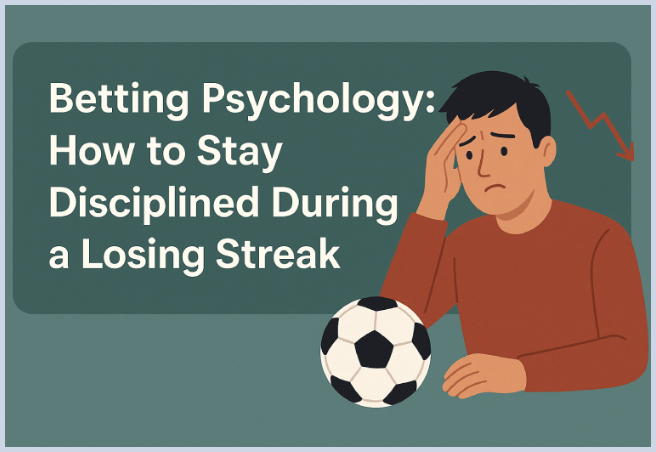
Let’s be honest: the hardest part of football betting isn’t picking the right side; it’s staying level-headed after the final whistle. I’ve had weekends where a last-minute accumulator hit and I felt like a genius, only to blow it all the following Saturday chasing a “sure thing.” That’s why Football Betting Psychology: Staying Disciplined After a Win or Loss is the real skill that separates long-term winners from lucky streaks.
The high that hurts (and the low that tempts)
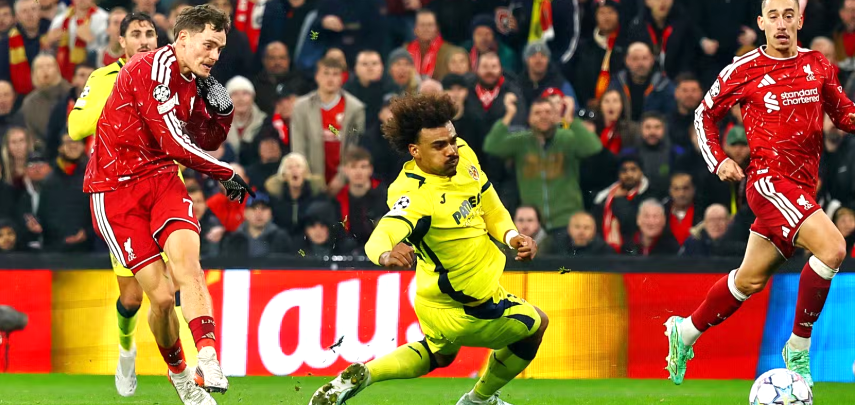
I still remember a Champions League night when three quick parlays landed back-to-back. My balance jumped, my chest swelled, and I started scanning for more markets, anything to keep the rush going. That’s the trap. A hot run can make variance feel like skill, and suddenly your staking plan looks optional.
On the flip side, I’ve stared at a red ledger after a brutal 95th-minute goal and thought, “I’ll just get it back now.” That urge, chasing losses, is the most expensive bet you’ll ever place. It’s not bad luck; it’s emotion hijacking logic.
My rules that actually stick
Here’s what I do now, and it’s kept me in the game far longer than talent ever did.
- Bankroll first, bets second. I set a dedicated bankroll, money I can afford to lose, and I never mix it with rent or bills. I keep it in a separate e-wallet so it’s not one tap away.
- Fixed percentage staking. I risk 1–3% of my bankroll per bet. If I’m on £1,000, that’s £10–£30 a wager. No “feeling confident” exceptions. This protects me when losing streaks hit and stops me from inflating stakes after wins.
- Daily and weekly stop-loss. I cap my daily loss at around 3% of my bankroll and my weekly loss near 8–10%. Once I hit it, I’m done. No “one more” to make it back.
- The 30-minute cooldown. After any loss, especially a bad beat, I walk away for at least 30 minutes. I make coffee, stretch, breathe. If I still like the bet after the break, I can place it. If not, the market will be there tomorrow.
- Pre-selected markets only. I write down the matches and markets I’ve researched before the day starts. If a game isn’t on my list, it’s not bettable, no matter how the night is going. This kills impulse bets dead.
The journal that changed everything
I started a simple betting journal: date, match, market, stake, odds, why I took it, and, crucially, how I felt before and after. Over time, patterns popped up. I was riskiest after big wins and after late goals against me. Seeing that on paper made it harder to ignore. Now, if my journal shows I’m tilted, I don’t bet. Period.
A quick story: the “safe” trap
Last season, I had a clean run through the early Premier League fixtures. Up 12% on the month, I got cocky. A midweek Europa League match caught my eye, nothing researched, just a hunch. I doubled my usual stake because “it felt safe.” It wasn’t. I lost, got angry, and fired two more quick bets to recover. By midnight, I’d given back a week’s profit. That night taught me: discipline isn’t for bad days; it’s for the good ones too.
How to stay disciplined after a win
Wins can be sneakier than losses. Here’s my post-win checklist:
- Log the bet and the result.
- Note my (euphoria, relief, boredom).
- Reaffirm my unit size for the next bet.
- If I’m up 20–30% on my bankroll, I reset my unit size based on the new total, no hero stakes.
How to stay disciplined after a loss
Losses demand structure, not heroics:
- Hit my stop-loss? Session over.
- Take the 30-minute break.
- Ask: “Would I place this bet if I hadn’t lost earlier?”
- If I return, I keep the next few stakes at or below my minimum, even if confidence is back.
The mindset shift that helps
I treat my bankroll like a season ticket, not a slot machine. Some weeks I’m up, some I’m down. What matters is that I’m still in the game next month. Emotional control and risk management are my edge. I don’t try to win back a specific loss; I try to make better decisions than yesterday.
Final whistle
If you take one thing from this, let it be this: Football Betting Psychology: Staying Disciplined After a Win or Loss is the foundation. Set your bankroll, fix your staking, respect your stop-loss, and use a cooling-off period after every loss. Keep a journal, pre-select your markets, and remember, variance will always test you. Discipline is how you pass the test.