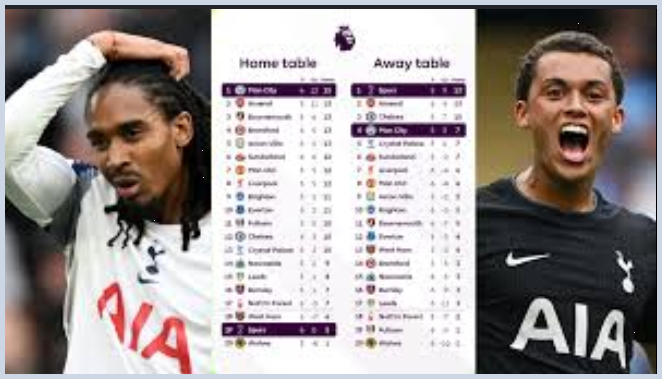
There was a time I used to bet purely on “big team vs small team” logic. If a top club was playing, I’d back them without hesitation. Simple, right? Well… not quite. I learned the hard way that football doesn’t work like that, especially when you ignore one crucial factor: home vs away form.
It sounds basic, but trust me, this is one of the most overlooked angles in football betting, and it can quietly make or break your predictions.
Why Home vs Away Form Matters More Than You Think
The phrase home vs away form refers to how a team performs differently depending on whether they’re playing on their own turf or traveling. And here’s the surprising part: some teams are completely different beasts depending on the venue.
I remember placing a bet on a mid-table team that had beaten stronger opponents recently. They looked sharp, confident, and in great form. What I didn’t notice? All those wins came at home. The moment they played away, they collapsed, no energy, no structure, nothing. My bet went down with them.
That’s when I started digging deeper into home advantage in football and how it impacts results.
The Psychology Behind Home Advantage
Playing at home isn’t just about comfort, it’s psychological. Players feed off the crowd, the familiarity, and even the routine. There’s a certain confidence that comes with knowing every inch of the pitch.
On the flip side, away games bring pressure. Travel fatigue, hostile fans, unfamiliar environments, it all adds up. Some teams handle it well, but others struggle badly.
This is why analyzing football betting tips based on home and away stats is so important. You’re not just looking at overall form, you’re looking at context.
Teams with Extreme Splits: The Hidden Opportunity
One of the biggest edges I’ve found in betting is spotting teams with drastic home vs away performance differences.
Some clubs:
- Win consistently at home but rarely score away
- Defend solidly at home but leak goals on the road
- Play attacking football at home but become overly cautious away
When you identify these patterns, you can make smarter calls. For example, a team that’s dominant at home might be a strong pick for a home win prediction, even against a slightly better opponent.
On the other hand, that same team could be a terrible choice away, something casual bettors often miss.
Real-Life Betting Scenario
A few months ago, I was looking at a fixture where a “stronger” team was playing away against a lower-ranked side. The odds heavily favored the away team, and most people were backing them.
But when I checked their away form in football betting, I noticed something alarming, they hadn’t won an away match in weeks. Meanwhile, the underdog had a solid home record, even against top sides.
I went against the crowd and backed the home team (with a safer double chance option). The result? A hard-fought home win.
That’s the power of paying attention to home vs away form.
Key Factors That Influence Home vs Away Performance
If you want to use this strategy effectively, don’t just look at wins and losses. Dig deeper into:
- Goals scored and conceded at home vs away
- Clean sheets and defensive stability
- Travel distance and fatigue (especially in international or long-league trips)
- Fan influence: Some stadiums are genuinely intimidating
- Tactical approach: Some managers play differently away
These details help you build a clearer picture and improve your match prediction strategy.
How to Use Home vs Away Form to Your Advantage
If you want to turn this into a real edge, start doing this consistently:
- Always check a team’s last 5 home and away games separately
- Look for patterns, not just results
- Compare both teams’ strengths based on the venue
- Combine this with other factors like injuries and motivation
Over time, you’ll notice opportunities others miss, and that’s where value lives.
Final Thoughts
If there’s one thing I’ve learned, it’s this: betting isn’t about guessing, it’s about noticing what others ignore. And home vs away form is one of those subtle details that can quietly tilt the odds in your favor.
The next time you’re analyzing a match, don’t just ask, “Who’s the better team?” Ask, “Where are they playing, and how does that change everything?”
That one question could be the difference between another losing slip… and a smart, confident win.