With summer spending already on pace to shatter records, all eyes turn to Transfer Deadline Day, the final window for clubs to reshape squads before the registration period slams shut. Below is a complete, original breakdown of deadline times, deal sheet mechanics, Premier League squad rules, and the late moves that could still define the 2026 window.
When Is the Premier League Deadline? (And Other Major Leagues)
The Premier League and EFL transfer window close at 23:00 BST on Tuesday, 1 September 2026. Clubs must have agreements registered by this time, though a deal sheet can unlock a short grace period for paperwork (see next section).
Key deadlines across Europe and beyond (all times BST):
- Ligue 1 (France): 1 September, 18:59
- Serie A (Italy): 1 September, 19:00
- Bundesliga (Germany): 1 September, 19:00
- La Liga (Spain): 1 September, 22:59
- Scottish Premiership: 3 September, 17:00
- Women’s Super League (WSL): 3 September, 23:00
- Saudi Pro League: 6 September (time TBC)
FIFA regulations cap a transfer window at no more than 16 weeks in a calendar year, which shapes how leagues schedule their opening and closing dates.
What Is a Deal Sheet and How Does It Work?
A deal sheet is a short-form notification that Premier League clubs can submit in the final two hours of the window to lock in an agreed transfer before the 23:00 cutoff.
- Earliest submission: 21:00 BST
- Must be fully completed and received: before 23:00 BST
- Grace period: Once the deal sheet is in, clubs have up to 01:00 BST to file the remaining documentation.
Without a correctly submitted deal sheet by 23:00, the transfer cannot proceed, even if clubs are seconds away on paper. This mechanism exists because deadline-day deals often run late, and the league allows a narrow buffer to finalize contracts, work permits, and registration forms.
Can Clubs Sign Free Agents After the Deadline?
Yes, free agents (players without a club after the window closes) can be signed at any time. However, they generally cannot play immediately unless there is space in the club’s registered 25-man senior squad; otherwise, they must wait until the next registration period opens. While no public “free-agent deadline” is published, clubs typically have about a week after the window to register such players for immediate eligibility, depending on league processing.
Premier League Squad Rules: The 25-Man List and Homegrown Quota
After the window shuts, each Premier League club must submit a squad list of no more than 25 senior players (aged 21 or over as of 1 January of the season).
Key constraints:
- Maximum non-homegrown players: 17 of the 25
- Minimum homegrown players: 8 of the 25 (by implication)
- Homegrown definition: Registered with an English or Welsh club for three full seasons (36 months) before turning 21.
- Under-21 players: Do not count toward the 25 and can be used freely without registration. For 2025/26, this means players born on or after 1 January 2004; for 2026/27, on or after 1 January 2005.
Clubs must manage these numbers carefully. Overstocking can leave senior players contracted but ineligible to play because they cannot be named on the 25-man list. Past issues with oversized squads, sometimes dubbed “bomb squads”, have drawn scrutiny and led to tighter FIFA and league enforcement.
Which Moves Could Still Happen on Deadline Day?
Expect late twists as clubs balance squad limits, FFP/PSR constraints, and last-minute valuations. Based on current reporting, several high-profile scenarios remain live:
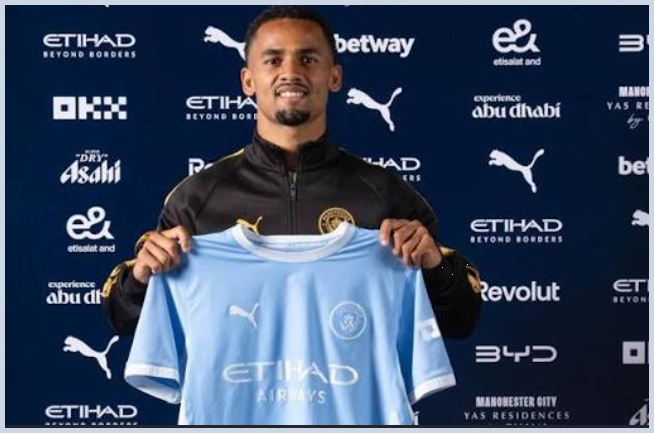
- Jack Grealish (Manchester City) → Everton (loan): A potential swap could see Iliman Ndiaye (Everton) → Manchester City for around £65m.
- Enzo Fernández (Chelsea) → Manchester City: Reuniting with former coach Enzo Maresca is being discussed; City may also target Lamine Camara (Monaco) to refresh midfield options.
- Julián Álvarez (Atlético Madrid) → Arsenal or Barcelona: The striker remains a late-window target for both giants and could leave Madrid before the cutoff.
- Cody Gakpo (Liverpool) → Tottenham or Manchester City: Any exit hinges on Liverpool securing a replacement, increasingly unlikely as the clock ticks down.
These are fluid situations; deadline-day transfers often hinge on one club’s sale funding another’s purchase.
Iconic Deadline-Day Signings in Premier League History
Some of the league’s most memorable moves were sealed at the last minute, shaping titles and legacies.
Notable deadline-day transfers include:
- Claude Makélélé: Real Madrid → Chelsea (2003)
- Wayne Rooney: Everton → Manchester United (2004)
- Carlos Tevez & Javier Mascherano: Corinthians → West Ham (2006)
- Ashley Cole: Arsenal → Chelsea (2006)
- Hugo Lloris: Lyon → Tottenham (2012)
- Mesut Özil: Real Madrid → Arsenal (2013)
- Cristiano Ronaldo: Juventus → Manchester United (2021)
- Cole Palmer: Manchester City → Chelsea (2023)
More recently, Alexander Isak’s move from Newcastle United to Liverpool on deadline day set a new British transfer record, underlining how the final hours can produce era-defining deals.