The 2026 FIFA World Cup has produced its fair share of surprises, but one storyline has become impossible to ignore, European teams are firmly in control of the tournament.
Despite the long-held belief that European nations struggle at World Cups staged outside their own continent, this year's competition has challenged that narrative in spectacular fashion. With Belgium, England, France, Norway, Spain and Switzerland all reaching the quarter-finals, Europe accounts for six of the remaining eight teams, while Argentina and Morocco are the only non-European nations still in contention.
It marks the strongest European representation in the last eight of a World Cup hosted outside Europe since 1994, underlining just how dominant the continent's top sides have become. A slow start that quickly turned into dominance
Interestingly, the tournament did not begin smoothly for Europe's leading nations. Seven of the first ten European teams to play their opening group-stage matches failed to register a victory, prompting questions about whether the hot summer conditions across North America would prove too much to handle.
The challenging climate had been widely discussed before the tournament, with several teams, including England, choosing training bases in warmer regions to help players adapt before the competition began.
However, most coaches refused to blame the weather for their sluggish starts. Following Belgium's opening draw against Egypt, manager Rudi Garcia insisted the temperature was no excuse, admitting his side simply failed to perform at the required level.
Switzerland boss Murat Yakin echoed that sentiment after his team's 1-1 draw with Qatar, arguing that poor finishing, rather than the heat, prevented his players from claiming all three points.
As the tournament progressed, Europe's representatives steadily found their rhythm.
By the conclusion of the group stage, European nations had compiled an impressive record of 17 victories, 12 draws and only seven defeats against teams from other continents. That momentum has only gathered pace during the knockout rounds.
European teams have overcome every challenge
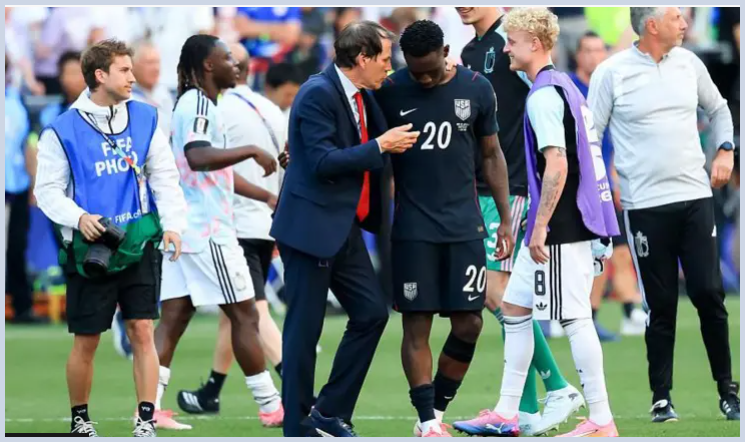
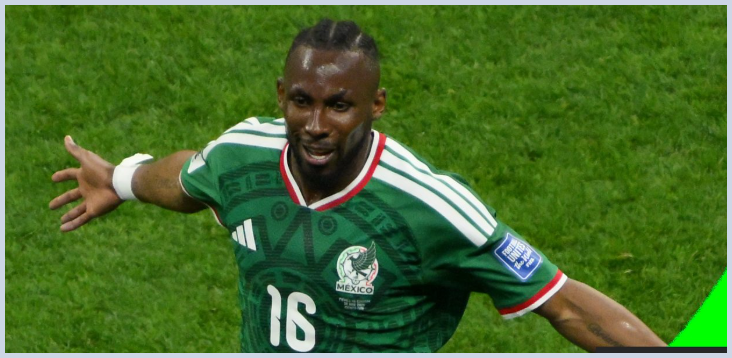
The Round of 16 showcased not only Europe's quality but also its resilience under pressure. England produced one of the performances of the tournament by defeating Mexico 3-2 at the intimidating Estadio Azteca.
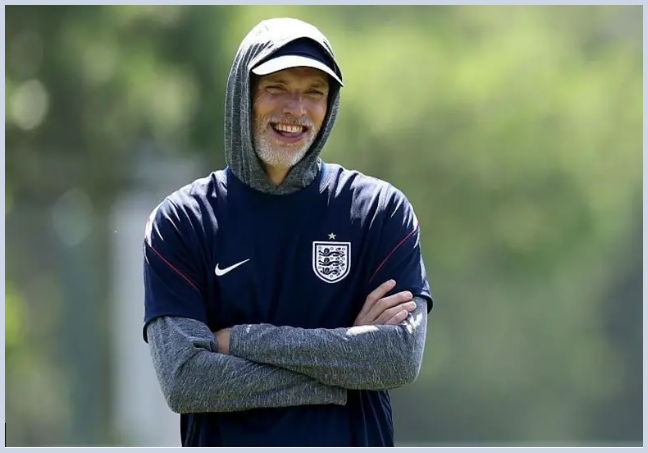
Thomas Tuchel's side had to cope with high altitude, an intense atmosphere and the setback of playing with ten men after Jarell Quansah's red card. Despite those obstacles, England held their nerve to secure a memorable victory.
Former England striker Wayne Rooney praised the performance, saying the result demonstrated the squad possesses both the belief and character needed to compete for the World Cup title.
France also showed their maturity by overcoming a physical and disruptive Paraguay side, while Belgium silenced a passionate home crowd to eliminate co-hosts USA and book a quarter-final showdown with European champions Spain.
Former England defender Matt Upson described Belgium's display as another encouraging sign of Europe's growing strength in the tournament.
Why Europe's dominance should not be surprising
Although six European teams in the quarter-finals is an impressive achievement, there are several reasons why the continent continues to enjoy success on football's biggest stage.
Europe entered the expanded 48-team World Cup with 16 qualification spots, more than any other confederation.
Even so, navigating an additional knockout round has made progression more demanding than in previous editions. The continent's success is also reflected in the FIFA World Rankings, where five of the world's top eight nations come from Europe.
Four of those teams remain in the competition, while seventh-ranked Portugal exited after losing to fellow European powerhouse Spain in the Round of 16.
France remains the benchmark
Among the remaining contenders, France continues to justify their status as tournament favourites. Didier Deschamps' side entered the competition with one of the deepest squads in international football and have consistently demonstrated their quality throughout the tournament.
Superstar forward Kylian Mbappé is among the leading contenders for the Golden Boot, having already scored seven goals. Yet France's greatest strength lies beyond their starting eleven.
Their remarkable squad depth allows players such as Rayan Cherki, Ousmane Dembélé and Désiré Doué to make decisive impacts from the bench, particularly in physically demanding matches played in high temperatures.
Before the tournament began, former England midfielder Danny Murphy highlighted France's ability to change games through their substitutes, predicting their depth could prove decisive in the latter stages.
Former France defender Gaël Clichy also backed his country to go all the way, while acknowledging that Spain and England remain serious challengers for the trophy.
Spain and England continue to impress
Spain have once again showcased the technical excellence that has become synonymous with their football philosophy.
After a slow start in the group stage, the European champions have grown stronger with each match and remain among the favourites to lift the trophy. England, meanwhile, appear transformed under Thomas Tuchel.
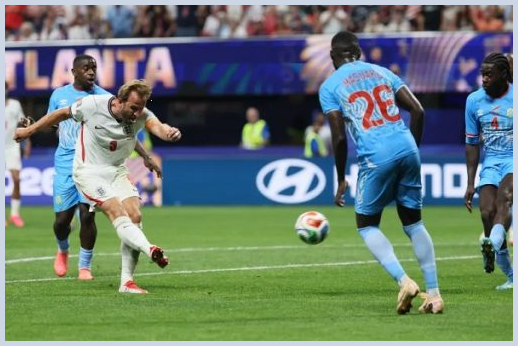
The Three Lions have displayed tactical discipline, resilience and attacking quality, with Harry Kane and Jude Bellingham forming one of the tournament's most influential partnerships.
Their ability to win under pressure has strengthened belief that England could finally end decades of World Cup disappointment.
Norway and Switzerland emerge as surprise contenders
While the traditional European heavyweights have largely met expectations, two nations have exceeded them. Norway is making their first World Cup appearance since 1998, and they have taken full advantage of the opportunity.
Much of their success has been driven by Erling Haaland, whose seven-goal haul has established him as one of the tournament's standout performers.
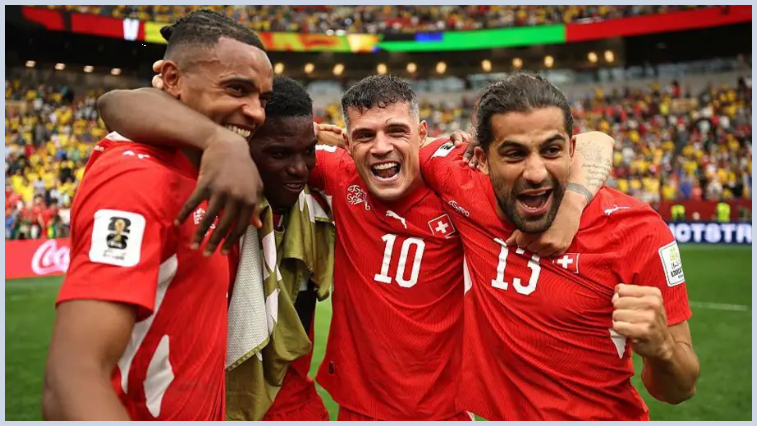
The Manchester City striker will once again be central to Norway's hopes when they face England in the quarter-finals. Switzerland have also enjoyed a historic campaign. Their dramatic penalty shootout victory over Colombia secured the country's first World Cup quarter-final appearance since 1954.
Despite missing influential attacker Johan Manzambi through injury, Murat Yakin's side displayed remarkable composure under immense pressure before winning from the spot.
Speaking after the victory, Yakin described the achievement as a landmark moment for Swiss football while insisting the team's journey is far from over.
Their next challenge is arguably the toughest possible, defending champions Argentina, led by Lionel Messi.
Can Europe produce another champion outside its continent?
Historically, European nations have found it difficult to conquer World Cups held beyond their borders. Since the tournament began in 1930, only Spain in 2010 and Germany in 2014 have managed to lift the trophy outside Europe.
The 2026 FIFA World Cup now offers another opportunity to rewrite history. With six European nations still competing, several of the world's strongest squads remain firmly on course for glory.
Whether it is the star power of France, Spain's technical brilliance, England's growing confidence, Belgium's consistency, Norway's attacking threat or Switzerland's resilience, Europe has established itself as the dominant force of the tournament.
As the competition enters its decisive phase, the biggest question is no longer whether Europe can challenge for the title, but which European nation will go all the way and become the next team to conquer the world outside its own continent.