If you’ve ever placed a bet that looked completely guaranteed, only to watch it collapse in spectacular fashion, you’re not alone. Understanding why most ‘sure odds’ fail is one of the biggest turning points for any football bettor who wants to move from frustration to smarter decision-making.
Every day, bettors scan prediction platforms, check forebets today, compare tips from windrawwin, or follow a popular forebet prediction today expecting easy wins. The logic feels simple: if thousands of people agree a match is “certain,” then it should win, right? Unfortunately, football betting markets don’t work that way.
Let’s break down what’s really happening behind the scenes.
The Illusion of “Sure Odds”
The term “sure odds” is mostly a marketing illusion. In football, uncertainty is the only constant. Even matches between top teams and underdogs carry hidden variables, fatigue, squad rotation, tactical surprises, motivation levels, or even weather conditions.
Bookmakers understand bettors’ psychology better than most players understand betting itself. When a match appears obvious, bookmakers adjust odds not just based on probability, but also on where public money is going.
This is where many bettors unknowingly fall into a trap.
You might see overwhelming predictions across forebet football prediction pages or notice strong consensus for a weekend fixture during forebet weekend previews. But heavy agreement doesn’t mean guaranteed accuracy; it often signals heavy public betting activity.
How Market Manipulation Really Works
Market manipulation in football betting doesn’t necessarily mean illegal activity. Instead, it refers to how bookmakers shape odds to balance risk and maximize profit.
Here’s the key idea: bookmakers are not trying to predict winners perfectly, they’re trying to manage betting behavior.
When large numbers of bettors rush to bet one outcome, bookmakers may shorten those odds. This creates two psychological effects:
First, it makes the selection appear even more “certain.”
Second, it attracts late bettors who fear missing out.
Meanwhile, the real value may quietly shift to the opposite side of the market.
This explains why bets that look safest, especially those widely shared across prediction platforms like bet forebet discussions, often disappoint. The odds reflect betting volume as much as match probability.
The Crowd Bias Problem
Football bettors naturally follow the crowd. Humans are wired to trust collective opinion. If thousands of bettors back a team, it feels safer to join them.
But betting markets punish predictable behavior.
Professional bettors often do the opposite. Instead of chasing popular picks from forebet tomorrow previews or trending tips online, they search for overreactions; situations where public confidence pushes odds away from true value.
For example, a top club coming off a big win may attract massive betting support, even if underlying statistics suggest regression is likely. Casual bettors see momentum; experienced bettors see inflated odds.
Why Prediction Sites Can Mislead You
Prediction platforms are useful tools, but they’re often misunderstood.
Sites offering forebets today or windrawwin projections rely heavily on statistical models. These models analyze historical data, goals scored, defensive records, form trends, and probability patterns.
The problem? Football matches are played by humans, not algorithms.
Statistics struggle to measure factors like dressing-room tension, fixture congestion, travel fatigue, or managerial experimentation. When bettors treat predictions as guarantees rather than probabilities, disappointment follows.
A forebet prediction today might show strong confidence in an outcome, but that percentage reflects likelihood, not certainty.
Odds Movement: The Hidden Signal Bettors Ignore
One of the clearest clues explaining why most “sure odds” fail lies in odds movement.
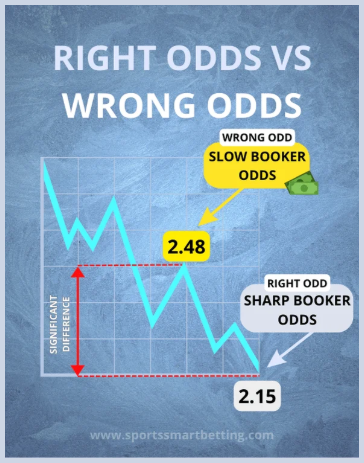
If odds suddenly shift before kickoff, it often means sharp bettors, professionals who wager large amounts — are placing money strategically. These bettors rarely follow public hype.
Instead of blindly trusting predictions, smart bettors watch how odds change over time. Late movements sometimes reveal where informed money is going, offering insight far more valuable than popular consensus.
How Smart Bettors Avoid the Trap
Escaping the “sure odds” mindset requires a shift in thinking.
Successful bettors don’t ask, “Which team will definitely win?” Instead, they ask, “Is this price offering real value?”
They compare predictions, analyze match context, and question public narratives. They use resources like forebet football prediction tools as references, not final answers.
Most importantly, they accept uncertainty. Football is unpredictable by nature, and long-term success comes from managing risk, not chasing certainty.
The Real Lesson Behind Failed Sure Bets
The truth about Why Most ‘Sure Odds’ Fail is simple: markets react to people, not just performances. When too many bettors believe something is guaranteed, odds adjust, and value disappears.
So next time you see a match labeled “easy money,” pause before placing your bet. Ask yourself whether you’re following analysis or simply following the crowd.
Because in football betting, the safest-looking pick is often the most dangerous one.
And understanding that difference might be the smartest bet you ever make.