The summer transfer window has once again showcased the enormous spending power of the Premier League, with clubs investing more than £1 billion on new signings.
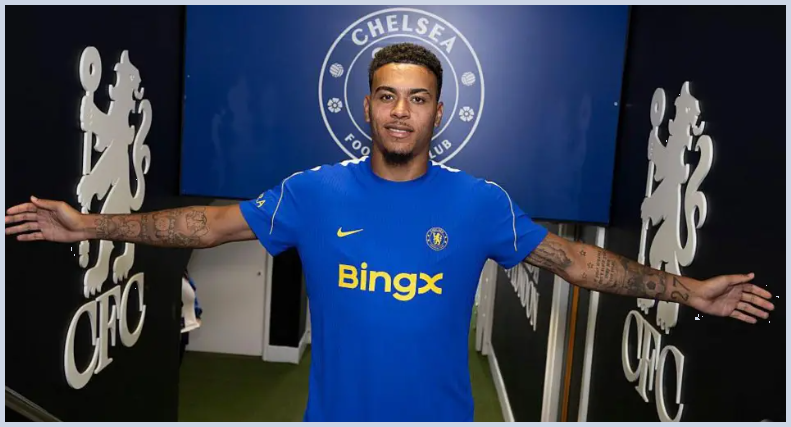
Record-breaking transfers have dominated the headlines. Tottenham Hotspur paid £100 million for Sandro Tonali, Manchester City spent £116 million on Elliot Anderson, while Chelsea shattered the British transfer record by signing Morgan Rogers from Aston Villa for £117 million.
These eye-catching deals come after clubs worldwide spent over €2.2 billion during the winter transfer window. Yet behind every major signing lies months and sometimes years of planning.
Here's how modern football clubs prepare for the transfer market, identify targets, and negotiate deals before the window closes.
Transfer Planning Starts Long Before the Window Opens
Contrary to popular belief, clubs don't wait until the transfer window opens before identifying players. Recruitment departments usually begin preparing for the next window just weeks after the previous one closes. Sporting directors, scouts, analysts, and managers regularly meet to evaluate squad needs, discuss potential departures, and shortlist transfer targets.
Former Portsmouth, Blackpool, Oxford United and Shrewsbury Town manager Michael Appleton explained that recruitment meetings become increasingly frequent as the transfer window approaches.
Initially, discussions may take place once a week, but they often become daily meetings closer to the opening of the market. For elite clubs, planning one transfer window ahead is considered essential. Recruitment executives believe reacting at the last minute often leads to poor decisions and inflated fees.
Technology Is Changing Football Recruitment
Modern football recruitment has become increasingly data-driven. Networking platforms such as TransferRoom now play an important role by connecting clubs and player representatives around the world.
Earlier this year, nearly 100 club officials, scouts, and agents gathered at Aston Villa's Villa Park to exchange ideas and prepare for the upcoming transfer window.
Representatives from clubs including Liverpool, Manchester City, Aston Villa, West Ham United, Derby County, Birmingham City and Preston North End attended the event alongside numerous football agencies.
During the meeting, Aston Villa's Head of Emerging Talent and Loans, Adam Henshall, explained how the club evaluates loan opportunities using detailed performance data, risk analysis, and player development models.
Later this week, more than 200 clubs and dozens of agencies are expected to meet in Madrid for another networking event designed to accelerate transfer negotiations before the market reaches its busiest stage.
Different Challenges Across the Football Pyramid
While Premier League clubs often prepare months in advance, life is very different in the lower divisions. Many English Football League (EFL) clubs operate with tighter budgets and limited resources.
If one of their standout players attracts interest, sporting directors must quickly find suitable replacements, often with far less financial flexibility. Some lower-league clubs deliberately wait until later in the transfer window before making signings to reduce wage costs.
Access to advanced scouting software and performance data also varies significantly. Many analytical platforms are expensive, meaning smaller clubs continue to rely heavily on traditional scouting methods and personal contacts.
Despite these differences, every club shares the same objective, building the strongest squad possible before the season begins.
Relationships Matter as Much as Statistics
Although data plays a growing role in recruitment, successful transfers still depend heavily on relationships. Clubs maintain regular contact with agents throughout the year, sometimes discussing players 12 months before a transfer becomes realistic.
Recruitment teams gather information not only about a player's performances but also about contract situations, wage expectations, personality, and long-term ambitions. In some cases, clubs have even tracked down player representatives through social media to initiate conversations.
The goal is to ensure every potential signing is thoroughly researched before formal negotiations begin.
Chicago Fire's Decade-Long Pursuit of Robert Lewandowski
One of this summer's most remarkable transfers wasn't driven by a transfer fee but by patience. Robert Lewandowski joined Chicago Fire as a free agent following the expiration of his Barcelona contract. However, the MLS club had been planning the move for almost 10 years.
Sporting director Gregg Broughton revealed that Chicago believed the city's large Polish community made it an attractive destination for Lewandowski, even during the peak of his career.
Their opportunity emerged after discussions involving Neymar, who shares the same agent as Lewandowski. Although Neymar chose a different path, those conversations opened the door for Chicago Fire to pursue Poland's all-time leading goalscorer. Once Barcelona decided not to renew Lewandowski's contract, Chicago acted quickly.
Head coach Gregg Berhalter travelled to Spain to meet the striker, while club executives handled complex negotiations covering not only football matters but also commercial opportunities, family arrangements, education for his children, and business opportunities for his wife.
The long-term planning ultimately paid off, with Lewandowski signing a two-year contract despite interest from clubs in Europe and Saudi Arabia.
Why Deadline Day Isn't Always the Best Strategy
While deadline day captures global attention, many recruitment experts believe the best transfer business is completed well before the final hours. Top Premier League clubs aim to have agreements in place at least 72 hours before the window closes.
If negotiations continue until the final day, it is often because financial details or contract terms still require final approval. Agents also play a vital role throughout the process.
They carefully review every document, including agency agreements that outline commissions, payment structures, and the parties involved in each transfer. Although this adds extra paperwork, clubs recognize that agents remain an essential part of modern football negotiations.
Former manager Michael Appleton believes the final day is often less about making ambitious signings and more about reacting quickly if unexpected departures occur.
Preparation Remains the Key to Success
The modern transfer window is no longer a frantic scramble driven solely by last-minute phone calls. Instead, it is a year-round process involving extensive scouting, performance analysis, relationship building, financial planning, and strategic negotiations.
While supporters often judge clubs by the players they eventually sign, much of the real work happens quietly behind the scenes months before announcements are made.
As one experienced Premier League recruitment chief summed up, football's transfer market is always unpredictable, but for those working inside it, "nothing is strange."