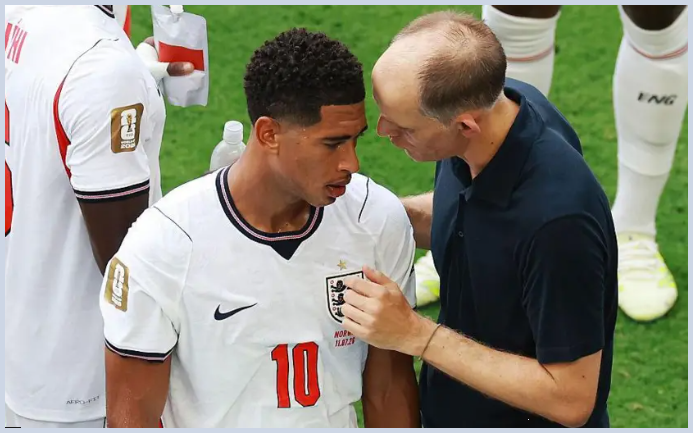
England may have booked their place in the FIFA World Cup semi-finals, but manager Thomas Tuchel remains unconvinced by his team's overall displays.
The Three Lions battled past Norway in a dramatic quarter-final to keep their title hopes alive, yet Tuchel made it clear that the victory did little to mask the issues he believes are holding his side back.
While praising his players' resilience and determination, the German coach admitted England are still some way from producing the level of football he expects.
Tuchel: The Result Was Great, But the Performance Wasn't
Speaking after England's hard-fought win, Tuchel acknowledged the importance of reaching the last four but insisted his players created unnecessary problems for themselves.
He applauded their fighting spirit and ability to respond under pressure, but criticised the team's technical execution, describing their play as careless and lacking rhythm.
According to Tuchel, England made too many mistakes in possession, moved the ball too slowly and failed to build sustained periods of pressure.
His comments reflected the standards he has tried to establish since taking charge of the national team.
The Football Identity Tuchel Wants
From the moment he selected his World Cup squad, Tuchel's tactical vision was clear.
Rather than choosing players solely on reputation, he prioritised footballers capable of executing specific tactical roles within his preferred system.
That philosophy has been evident throughout the tournament, even if England have only shown flashes of it.
The key principles behind Tuchel's approach include:
- Controlling possession for long periods.
- Pressing opponents aggressively after losing the ball.
- Using short, calculated passes to lure opponents out of position.
- Accelerating attacks once space opens up.
- Creating overloads on the wings through rotations and combinations to break down compact defences.
Although England have occasionally demonstrated these patterns, Tuchel believes they have not maintained them consistently enough.
Where England Fell Short Against Norway
Norway defended with a disciplined 4-5-1 formation, limiting space through the middle and forcing England to be patient in possession.
Tuchel's side attacked in a 3-2-5 structure, with Marc Guéhi, John Stones and Ezri Konsa forming the defensive base, while Declan Rice and Elliot Anderson controlled midfield.
Left-back Nico O'Reilly regularly pushed into advanced positions to create numerical superiority against Norway's back line. After the match, Tuchel repeatedly mentioned that England were "not repetitive enough."
His concern centred on the team's inability to recycle possession through multiple short passes before quickly switching play into open spaces. Against defensive teams, Tuchel wants England to patiently draw opponents towards one side of the pitch before exploiting the vacant areas with quick diagonal passes or wide attacks.
England briefly executed this plan well during the opening stages. By circulating possession on one flank, they tempted Norway to shift across before releasing long passes towards Noni Madueke on the opposite wing.
However, as the match progressed, England abandoned that patient approach.
Their ball retention declined noticeably, with possession dropping from 68 percent in the first half to 44 percent after the break, making it increasingly difficult to control the contest.
Why England Continue to Find a Way
Despite failing to fully implement Tuchel's tactical blueprint, England have consistently found ways to win.
Their opening goal against Norway highlighted another strength within the squad, the ability to capitalise on transitional moments. Following a long goal-kick from Norway goalkeeper Ørjan Nyland, Elliot Anderson reacted quickest to regain possession.
Recognising Norway's temporary defensive imbalance, the midfielder surged forward, forcing defender Julian Ryerson out of position. That movement created space for Anthony Gordon down the left wing, while Kristoffer Ajer was dragged away from the centre.
As Norway's defensive line reshuffled, Jude Bellingham timed his run perfectly into the vacant space before finishing clinically. It was a goal created less through structured possession and more through intelligent decision-making and quick exploitation of defensive disorganisation.
Bigger Tests Await in the Semi-Finals
Although England's resilience has carried them into the last four, Tuchel believes consistent performances will ultimately determine how far they can go.
The Three Lions now face Argentina, a side that has occasionally looked vulnerable in wide defensive areas during the tournament.
That matchup could provide the perfect opportunity for Tuchel's attacking patterns to finally click, particularly his emphasis on creating overloads and combinations on the flanks.
If England can combine their fighting spirit with the tactical control their manager demands, they may take another significant step towards lifting the World Cup trophy.